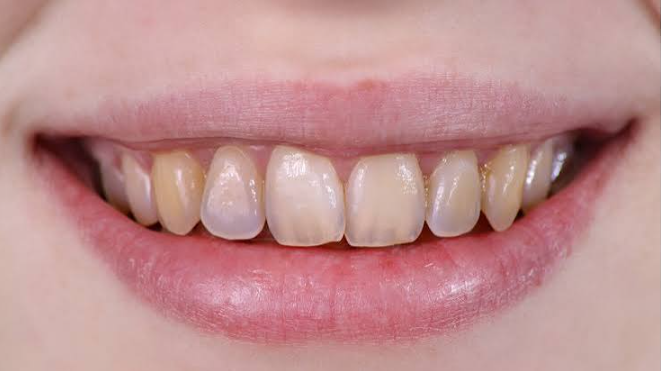
You notice the chips first. Then the sensitivity. Then the sinking feeling when your child says cold water hurts, or a tooth seems worn down long before it should. Weak or brittle teeth can feel confusing because you may be doing the right things and still seeing problems. That mismatch is what makes it stressful. In many cases, the issue is not just brushing habits or sugar. It can point to how enamel formed in the first place, and that matters because enamel does not grow back once it is lost. If you are looking for support, Children’s Dental FunZone for kids in Santa Clarita may be a helpful place to start.
Enamel is the hard outer layer that protects teeth from daily pressure, temperature, and bacteria. When enamel does not develop as it should, teeth may look small, rough, yellow, spotted, or unusually fragile. A pediatric dentist can help sort out whether the problem is wear from grinding, early decay, acid exposure, or a condition tied to enamel formation itself.
Weak Teeth Often Point Back to Early Enamel Formation
Enamel starts forming before a tooth erupts, and that process is more complex than most people realize. Research from the National Institute of Dental and Craniofacial Research explains what really keeps teeth strong, showing that enamel strength depends on highly organized mineral structure, not just a hard surface. If that structure is disrupted during development, teeth can erupt already at a disadvantage.
This is why some children have teeth that seem to break down fast even with good home care. You may hear that they have weak enamel, thin enamel, or enamel defects. Those phrases can describe several issues. Some are linked to illness, premature birth, nutrition, certain medications, trauma to developing teeth, or high fever during early childhood. Some are inherited.
One inherited condition is amelogenesis imperfecta, which affects how enamel forms. MedlinePlus offers a clear overview of amelogenesis imperfecta and its genetic causes. Children with this condition may have enamel that is too thin, too soft, or poorly mineralized. The result can be pain, rapid wear, color changes, and a bite that becomes harder to manage over time.
See also: 4 Ways Oral Surgeons Ensure Patient Safety During Procedures
Brittle Teeth Can Affect More Than Oral Health
When enamel is weak, everyday life changes. Eating becomes slower because crunchy or cold foods hurt. Brushing can be a fight because sore teeth make even soft bristles feel like too much. Some children stop smiling in photos because they notice discoloration or unusual tooth shape. You may also be dealing with repeated dental visits, repairs that do not last as long as expected, and the cost of trying to stay ahead of new damage.
That cycle is exhausting. It also tends to build on itself. Weak enamel makes teeth more likely to chip and wear. Rough or damaged surfaces hold plaque more easily. Sensitivity can lead to less effective brushing. Then cavities become more likely, and the original enamel problem gets buried under a second problem.
The broader picture matters too. The National Institute of Dental and Craniofacial Research report on oral health in America describes how oral conditions can affect comfort, nutrition, sleep, school, and quality of life across the lifespan. You can review the findings in this oral health in America report. When a child has fragile teeth, this is not just cosmetic. It can shape daily routines and confidence.
Signs of Enamel Development Problems Deserve Early Attention
Some signs are easy to miss because they look minor at first. White, yellow, or brown patches may be early clues. So can teeth that appear translucent at the edges, wear down faster than expected, or chip without a clear injury. A child who avoids ice cream, winces while brushing, or chews only on one side may be showing you that something is wrong before a cavity is visible.
Weak or brittle teeth do not always mean a rare disorder, but they do deserve a closer look. A pediatric dental exam can help identify patterns across multiple teeth, check whether enamel thickness is normal, and see whether the problem matches decay, erosion, trauma, grinding, or a developmental defect. That distinction guides treatment.
Home Observation and Professional Care Are Not the Same Thing
| What You Notice at Home | What It May Mean | What a Pediatric Dentist Can Do |
|---|---|---|
| Chipping on front or back teeth | Thin enamel, grinding, trauma, or early wear | Check bite patterns, enamel quality, and need for protection or repair |
| Sensitivity to cold foods or brushing | Enamel loss, exposed dentin, or decay | Pinpoint the cause and recommend fluoride, sealants, bonding, or restorations |
| Yellow or brown teeth that seem hard to clean | Enamel defects rather than surface staining | Evaluate color, texture, and whether a developmental issue is present |
| Teeth wearing down faster than expected | Poor enamel mineralization or bite stress | Track wear, take images if needed, and plan long term protection |
This is where brittle teeth and enamel defects need more than guesswork. Whitening products, abrasive toothpaste, or waiting to see if the problem settles on its own can make things worse if enamel is already thin or soft.
Steps You Can Take Right Away
Track the pattern. Write down which teeth chip, when sensitivity happens, and whether certain foods or temperatures trigger pain. Photos help. A pattern across several teeth often tells more than one broken spot.
Reduce extra stress on enamel. Use a soft toothbrush, skip harsh whitening products, and avoid frequent acidic drinks or constant snacking on sour foods. If your child grinds at night or chews on hard objects, mention that during the visit.
Schedule a pediatric dental evaluation early. Early care can protect teeth before wear becomes severe. Depending on the cause, treatment may include fluoride varnish, sealants, bonding, crowns, monitoring, or coordination with medical genetics when an inherited condition is suspected.
Early Answers Can Protect Your Child’s Teeth
If your child’s teeth seem fragile, you are not overreacting. Teeth that chip, hurt, or wear down too soon often reveal a real issue with enamel development, and catching that early can make daily life easier and treatment more predictable. A skilled children’s dentist can help you understand what is happening and what comes next, one clear step at a time.
Reach out to a dentist who treats children and ask for an evaluation of enamel strength, sensitivity, and wear. A careful look now can prevent bigger problems later.