You brush, you floss, you try to do everything right, and your mouth still feels dry, sticky, or just off. Maybe you wake up with bad breath that does not go away, or you keep getting cavities in places that seem unfair. That can feel frustrating fast. A lot of people think of saliva as background noise in the mouth, but it is doing quiet work all day, and when there is not enough of it, your teeth notice. If you are exploring cosmetic dentistry in Green Bay, it is also worth paying attention to dry mouth because it can affect your overall oral health.
Saliva is one of your mouth’s built in defense systems. It rinses away food, helps control acids, brings minerals back to tooth enamel, and supports the balance of bacteria in your mouth. When saliva drops, the risk of decay, gum irritation, mouth sores, trouble swallowing, and tooth sensitivity can rise. How saliva protects your teeth is not a small detail. It is one of the reasons your mouth can recover from the normal wear of eating and drinking.
Saliva guards enamel, controls acid, and supports daily comfort
Every time you eat, the bacteria in your mouth feed on leftover sugars and starches. They produce acids that soften enamel. Saliva helps limit that damage by washing away debris and buffering those acids before they sit too long on your teeth. It also carries calcium and phosphate, which help repair early enamel wear. That process is one reason your teeth can handle normal meals without breaking down overnight.
This is also why a dry mouth can shift from annoying to expensive. If your mouth stays dry for hours, plaque builds more easily, acids linger longer, and enamel has less support. You may notice rough teeth, stringy saliva, cracked lips, or a burning feeling on your tongue. Some people start sipping sugary drinks for relief, which makes the cycle worse. The mouth feels dry, so you reach for something sweet, then the teeth sit in sugar and acid with less saliva to protect them.
The National Institute of Dental and Craniofacial Research explains that saliva and salivary glands play a major role in oral health, including helping prevent tooth decay and infection. That matches what many patients experience. The change can be gradual, then one day you are hearing that you need multiple fillings.
See also: How Orthodontists Adapt Care For Different Age Groups
Dry mouth changes more than comfort
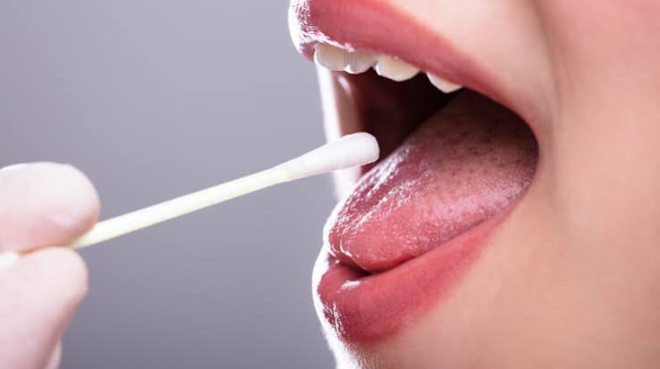
Dry mouth is not only about thirst. It can affect chewing, swallowing, speaking, sleep, and even what foods you feel able to eat. If your mouth is dry at night, you may wake up often, breathe through your mouth more, and start the next day with a sour taste or bad breath. If you wear dentures, dryness can make them rub and feel painful. If you take several medications, the problem may build slowly enough that you do not connect the dots.
According to NIH health information on dry mouth, common causes include medicines, certain health conditions, cancer treatment, nerve damage, dehydration, and tobacco or alcohol use. That matters because the fix is not always more water. If a medication is reducing saliva, or if mouth breathing is drying the tissues every night, you need a plan that fits the cause.
Saliva’s role in oral health becomes obvious when it is missing. You may be brushing well and still getting decay near the gumline or around old fillings. You may avoid spicy or crunchy foods because they sting. You may feel embarrassed by breath changes even though you are trying hard to stay clean. None of that means you are failing. It means the mouth has lost some of its natural protection.
Low saliva raises dental risks in ways you can measure
| When saliva is working well | When saliva is low |
|---|---|
| Food particles rinse away more easily | Debris sticks to teeth and gums longer |
| Acids are buffered after meals | Acid stays on enamel and raises cavity risk |
| Minerals help repair early enamel wear | Enamel weakens and sensitivity can increase |
| Bacteria stay in better balance | Bad breath and plaque buildup become more common |
| Speaking and swallowing feel easier | Mouth soreness, chewing trouble, and swallowing discomfort may appear |
The pattern is clear. Good saliva flow helps your mouth recover from normal daily stress. Low saliva lets small problems build into larger ones. That is where a general dentist can spot trends early, especially if you have new cavities, gum irritation, or signs of enamel wear that do not match your home care habits.
Small daily habits can support saliva and protect your teeth
1. Track the dry mouth pattern. Pay attention to when your mouth feels driest. Morning only may point to mouth breathing or snoring. All day may suggest medication effects, dehydration, or another health issue. Write down your symptoms for a week, including bad breath, trouble swallowing, soreness, and frequent sipping. That record helps your dental or medical provider see what is happening faster.
2. Cut the habits that feed the cycle. Sip water often. Limit alcohol based mouthwashes if they leave your mouth feeling more dry. Watch frequent candy, mints, soda, sports drinks, and sweet coffee drinks, especially if you use them for comfort through the day. Sugar free gum or lozenges with xylitol may help stimulate saliva for some people. If you smoke or vape, know that both can make dryness and irritation worse.
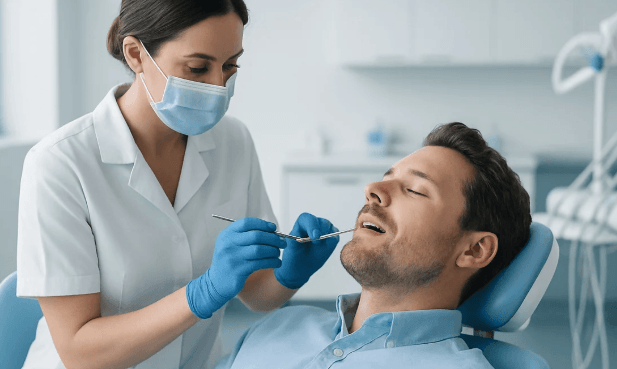
3. Get a dental exam before the damage spreads. Early dry mouth problems do not always hurt. A dental visit can reveal new decay, gum changes, plaque retention, and enamel softening before you feel a crisis. If needed, your dentist may suggest fluoride, saliva substitutes, changes to your home care routine, or a conversation with your physician about medication side effects. Tooth protection from saliva is easier to support early than to rebuild after several cavities.
Your mouth works better when its natural defenses are protected
If your mouth has been feeling dry, sore, sticky, or harder to manage, you are not imagining it. Saliva does more for your teeth than most people realize, and low saliva can change your oral health quickly. The good news is that the problem is often manageable once you identify the cause and respond early.
If you have signs of dry mouth, recurring cavities, or increasing sensitivity, schedule a visit with a general dentist. A careful exam can help you protect your enamel, reduce discomfort, and stop small issues from turning into bigger dental work.