You may be dealing with a sore tooth, a broken implant, or a procedure you have been putting off because the idea of surgery feels like too much. That reaction is normal. Most people do not worry only about pain. They worry about infection, anesthesia, mistakes, and whether their body will handle everything well. When you are sitting in that uncertainty, safety matters more than anything else, especially when choosing an oral surgeon for TMJ treatment in New Braunfels TX.
The good news is that patient protection is built into every stage of care when you are treated by an oral surgeon and implant dentist. From infection control to careful screening, from anesthesia planning to close monitoring during treatment, the goal is simple. Reduce risk, catch problems early, and help you get through the procedure as safely as possible. These are four of the main ways that happens.
Pre procedure screening helps oral surgeons spot risks before treatment starts
Safe treatment begins before you ever sit in the surgical chair. A skilled oral surgeon reviews your health history, medications, allergies, past reactions to anesthesia, and any conditions that can affect healing. High blood pressure, diabetes, sleep apnea, bleeding disorders, and immune system issues can all change how a procedure should be handled.
This step can feel repetitive when you have already filled out forms, but it protects you. If you take blood thinners, the plan may need to be adjusted to lower the chance of excess bleeding. If you have had nausea or breathing trouble with sedation before, the anesthesia plan can be changed. If you have an active infection, treatment may need to be timed carefully or paired with medication. These details are not paperwork for the sake of paperwork. They are part of how oral surgery safety measures work in real life.
You also deserve a clear explanation of what will happen, what type of anesthesia will be used, and what recovery may look like. That conversation gives you a chance to mention concerns you might otherwise keep to yourself, including fear, past trauma, or symptoms that seem minor but are not.
Strict sterilization and infection control lower the risk of complications
One of the biggest fears people carry into surgery is infection, and for good reason. An untreated infection can delay healing, increase pain, and lead to more treatment. Oral surgeons reduce that risk with layered protocols that cover hand hygiene, personal protective equipment, instrument processing, and surface disinfection.
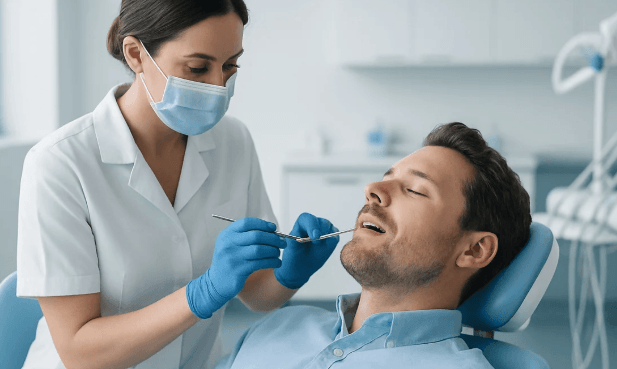
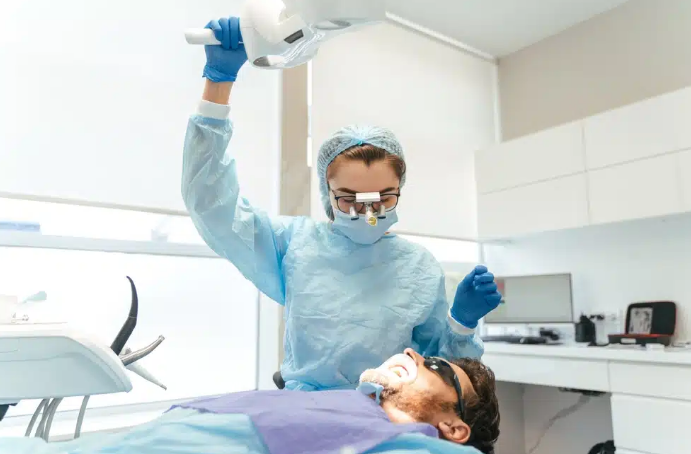
The Centers for Disease Control and Prevention outlines standard precautions in dental settings that help protect both patients and staff. These practices include gloves, masks, eye protection, safe handling of sharps, and careful cleaning routines. The CDC also explains how sterilization and disinfection in dentistry should be handled so reusable instruments are properly processed before they are used again.
You may not see every step, but that does not mean it is not happening. Sterile packs, disinfected treatment areas, and single use items where appropriate all matter. During implant placement, tooth extraction, or bone grafting, those details are part of what separates routine healing from avoidable complications. When people talk about an oral surgeon procedure safety plan, infection control is a major piece of it.
Anesthesia planning and monitoring protect you during oral surgery
Anesthesia is often the part that makes people most uneasy. Some worry they will feel pain. Others worry they will not wake up, lose control, or have a bad reaction. Those fears are common, especially if you have never had sedation before or had a rough experience in the past.
Safe anesthesia care starts with choosing the right level for the procedure and for your health. Some patients need local anesthesia only. Others do better with nitrous oxide, IV sedation, or deeper anesthesia based on the complexity of treatment and their medical history. MedlinePlus offers a helpful overview of how anesthesia works and what the main types are.
During treatment, your status is monitored closely. That can include oxygen levels, heart rate, blood pressure, and breathing. The point is not only comfort. The point is catching changes early so the team can respond right away. This is one of the clearest ways an oral surgeon and implant dentist puts safety first, especially during longer or more involved procedures.
Training, imaging, and surgical planning reduce avoidable errors
Experience matters, but preparation matters just as much. Oral surgeons rely on imaging, clinical exams, and procedure planning to avoid preventable problems. If a wisdom tooth is close to a nerve, if bone is thin in an implant site, or if a sinus area needs special attention, those factors need to be mapped out before surgery begins.
That planning lowers the risk of nerve injury, implant misplacement, sinus issues, and other complications that can happen when treatment is rushed or based on guesswork. It also helps with practical decisions such as how long the visit may take, whether you will need someone to drive you home, and what recovery support you should arrange in advance.
| Safety area | What the oral surgeon does | Why it matters to you |
| Medical screening | Reviews health history, medicines, allergies, and prior anesthesia reactions | Reduces risk of bleeding, medication conflicts, and anesthesia problems |
| Infection control | Uses sterilized instruments, protective gear, and disinfected treatment spaces | Lowers the chance of infection and delayed healing |
| Anesthesia monitoring | Tracks breathing, blood pressure, oxygen, and heart rate during treatment | Supports comfort and fast response if your condition changes |
| Surgical planning | Uses exams and imaging to guide the procedure | Helps avoid nerve injury, placement errors, and other preventable issues |
Clear steps help you protect your own safety before oral surgery
Share your full medical history. Bring an updated list of medications, supplements, allergies, and medical conditions. Mention anything that affected you during past dental or medical procedures, even if it seems small.
Follow pre op instructions exactly. If you are told not to eat, drink, smoke, or take certain medications before sedation, follow those directions closely. Small changes can affect anesthesia safety and recovery.
Ask for your aftercare plan in writing. You should know how to manage pain, swelling, bleeding, diet, and activity after surgery. You should also know which warning signs mean you need to call right away.
When you know the safety steps behind the procedure, the whole experience feels less unknown. That does not erase nerves, but it gives those nerves somewhere to land. 4 Ways Oral Surgeons Ensure Patient Safety During Procedures comes down to careful screening, strict infection control, close anesthesia monitoring, and precise planning. If you are preparing for care with an oral surgeon and implant dentist, ask direct questions and make sure you understand the plan before treatment begins.