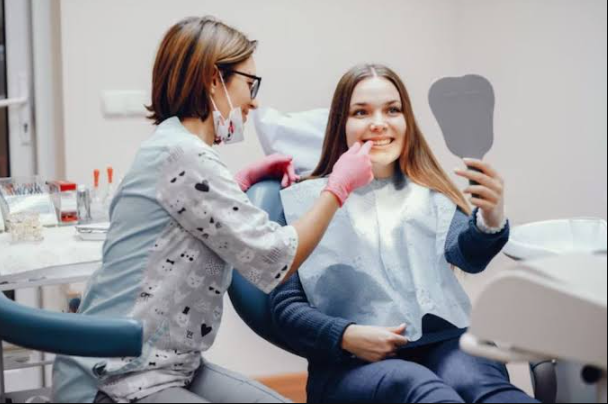
You brush, you remind your kids to brush, you try to keep snacks reasonable, and somehow the same problems keep showing up. One child has cavities, another grinds their teeth at night, and an adult in the house has bleeding gums that never fully go away. It can feel like everyone is doing enough, yet the pattern says otherwise. That is where family dental care often makes a real difference, especially for families also exploring cosmetic dentistry in Riverside. A family dentist does not just look at one tooth at a time. They spot the habits shared across a household, the small daily routines that quietly shape everyone’s oral health.
Many dental issues are not random. They come from patterns. Mouth breathing, frequent sipping on sugary drinks, rushed brushing before school, clenching during stress, skipping floss because mornings are chaotic, all of it adds up. When one practice serves children, teens, and adults, those patterns become easier to see. Family dentistry creates a wider view, which means problems can be caught earlier and handled with less stress and cost.
Family dental care reveals shared habits that single visits can miss
When each person in a household sees a different provider, the big picture often gets lost. One dentist may notice enamel wear in a parent. Another may see early gum inflammation in a teen. A pediatric office may spot new cavities in a younger child. These can seem like separate issues, but they may come from the same source. Acidic drinks in the home, inconsistent brushing routines, dry mouth from medications, late night snacking, or poor sleep can affect everyone differently.
A family dentist sees the overlap. If several people have plaque building up in the same places, the issue may be brushing technique rather than effort. If more than one person has jaw soreness or flattened teeth, nighttime grinding may be part of the household routine, often linked to stress or sleep problems. If gums bleed across age groups, it may be a sign that flossing is irregular or that no one has been taught a method that actually works.
This is one of the strengths of household dental care. It turns isolated symptoms into useful clues.
Daily routines at home often shape oral health more than people realize
You may already know sugar causes cavities, but the timing and frequency matter just as much. A child who drinks juice over two hours, a parent who sips soda at work, and a teen who uses sports drinks after practice all keep their teeth under repeated acid attack. The damage may look different from person to person, but the habit is shared.
Gum disease follows a similar pattern. Bleeding when brushing gets ignored because it seems minor, then plaque hardens, gums pull away, and treatment becomes more involved. The National Institute of Dental and Craniofacial Research explains that gum disease can begin with mild symptoms and progress if plaque is not removed well. In a family setting, that matters because children learn oral care by watching adults. If adults treat bleeding gums as normal, kids often grow up doing the same.
Sleep habits also show up in the mouth. Mouth breathing can dry tissues and raise cavity risk. Night grinding can wear enamel, trigger headaches, and strain the jaw. A family dentist may notice that one child has a narrow palate, a parent snores, and another family member wakes with jaw pain. Those details point to a pattern worth addressing early.
A family dentist can connect prevention, education, and timing
The value of a family practice is not only convenience. It is continuity. A provider who sees your family over time can tell when a habit is new, when a condition is repeating, and when home care advice is not fitting real life. That matters more than people think. Advice only works if your household can actually use it.
If mornings are rushed, a better plan may be brushing after breakfast instead of before. If a child resists flossing, floss picks or a parent assisted routine may work better. If an adult has dry mouth from medication, product changes and hydration strategies can protect teeth. The Centers for Disease Control and Prevention offers oral health tips for adults that support prevention, but a family dentist helps translate those guidelines into routines your home can keep.
Shared habits and their effects on different family members
| Shared Habit | How It Shows Up in Children | How It Shows Up in Adults | What a Family Dentist May Recommend |
|---|---|---|---|
| Frequent sugary or acidic drinks | Early cavities, enamel weakness | Sensitivity, enamel wear, decay around old fillings | Drink timing changes, water between meals, fluoride support |
| Rushed or inconsistent brushing | Plaque buildup, bad breath, cavities | Tartar, gum inflammation, decay near the gumline | Technique coaching, timed brushing, product changes |
| Skipping flossing | Cavities between teeth | Bleeding gums, periodontal problems | Simple floss tools, habit stacking, targeted cleaning tips |
| Night grinding or clenching | Tooth wear, jaw tension | Cracks, headaches, jaw pain | Night guards, stress review, bite evaluation |
| Mouth breathing or poor sleep | Dry mouth, higher cavity risk | Dry tissues, gum irritation, snoring related concerns | Airway discussion, hydration, referral when needed |
Practical steps help you catch patterns before they become treatment plans
Good oral health is not only about trying harder. It is about noticing what keeps happening and changing the routine at the source. The National Institutes of Health provides a broad overview of oral and dental health that shows how daily habits connect to long term outcomes. A family dentist helps make those connections personal and easier to act on.
Track one week of habits. Write down what everyone drinks between meals, when they brush, whether flossing happens, and any symptoms like jaw pain, bad breath, or bleeding gums. Patterns show up fast when you see them on paper.
Standardize the basics at home. Keep fluoride toothpaste where everyone can reach it, replace worn brushes, set a two minute timer, and make nighttime brushing nonnegotiable. Consistency beats intensity.
Bring the whole picture to dental visits. Mention snoring, grinding, dry mouth, medications, sports drinks, and picky brushing habits. These details help a provider connect symptoms across ages instead of treating each issue in isolation.
Small changes at home can protect every smile in the family
If the same dental issues keep circling back, you are not imagining it, and you are not failing. Most families are dealing with shared habits they simply have not had pointed out clearly. That is why family dentistry helps identify habits that affect everyone’s teeth. Once the pattern is visible, the next step is usually simpler than people expect. A few steady changes can lower cavity risk, protect gums, and make future visits much easier.
When you are ready, schedule a visit with a trusted provider for family dental care and ask for a full review of the habits shaping your household’s oral health.