You see a whitening kit online, a bonding hack on social media, or a mail order tray that promises a brighter smile for less money, and it makes sense to pause. Cosmetic dental work can feel expensive, and when you are unhappy with stains, chips, or uneven teeth, waiting is hard. You want a fix that feels simple, private, and affordable, but talking to a dentist in Clearwater, FL can help you avoid costly mistakes. The problem is that DIY cosmetic dentistry often looks easier than it is, and the cost of getting it wrong can be much higher than the price of doing it right the first time.
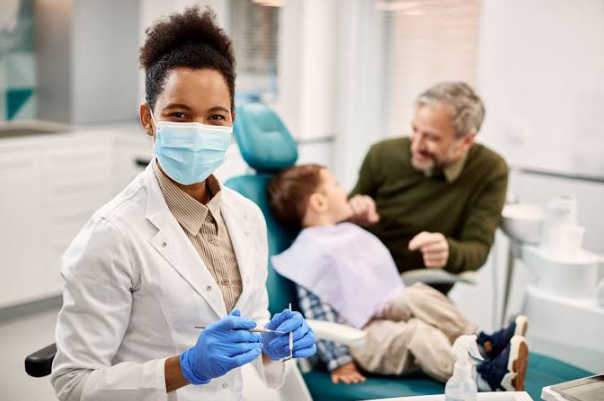
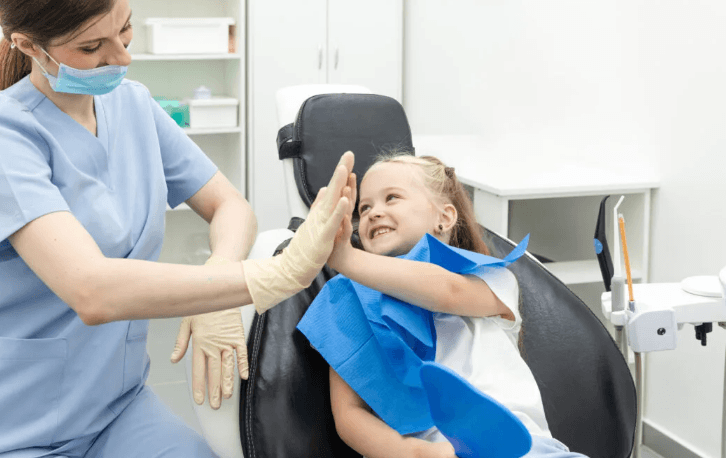
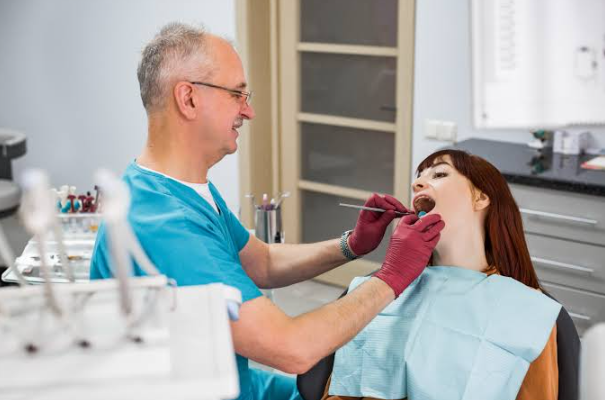
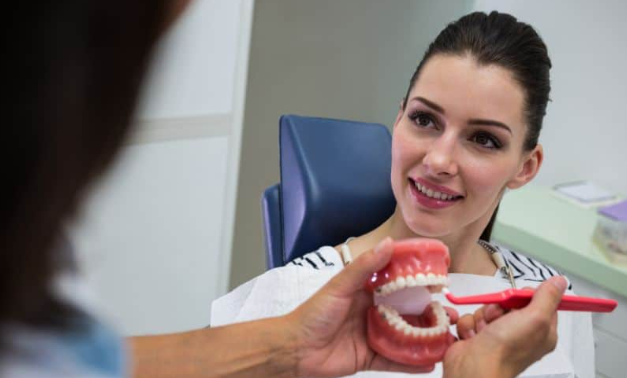
A cosmetic dentist does more than improve how your smile looks. They check whether your enamel is healthy enough for whitening, whether a chip needs bonding or a crown, and whether the material being placed in your mouth is safe and built to last. That is the real difference. DIY options focus on the surface. Professional care looks at the whole picture.
A cosmetic dentist protects your teeth before changing your smile
A stain is not always just a stain. A rough edge is not always a simple polish job. You might think you are treating a cosmetic issue when the real problem is enamel wear, decay, grinding, or an old filling that is starting to fail. DIY products cannot diagnose any of that.
That matters because cosmetic treatment on unhealthy teeth can make things worse. Whitening over cavities can trigger pain. Filing a tooth at home can remove enamel that never grows back. Temporary bonding kits can trap bacteria if they are placed badly. The American Dental Association warns about the risks of DIY dentistry for exactly this reason. A professional exam catches problems early, before a cosmetic concern turns into a larger repair.
Professional cosmetic dentistry gives you safer materials and better fit
A lot of DIY appeal comes from the promise that the product is “just like the dentist uses.” It usually is not. Materials used in a dental office are chosen for strength, biocompatibility, and how they react inside the mouth over time. They also require skill to place correctly. Moisture control, bite alignment, curing time, and surface prep all affect how long a restoration lasts and how natural it looks.
The science behind dental materials is not casual. The National Institute of Dental and Craniofacial Research explains in its overview of dental materials that different materials are selected based on function, durability, and patient needs. That is a big gap between a professional resin bonded by a dentist and a home kit bought on impulse at midnight because your front tooth chipped before an event.
Fit is another issue people do not always see coming. Trays that do not fit well can irritate gums and leave uneven color. Poorly shaped bonding can change how your teeth meet when you bite. At first it may just feel “off.” Then your jaw gets sore, a tooth chips, or you start avoiding certain foods because chewing feels strange.
A cosmetic dentist helps you avoid the false economy of DIY fixes
The price tag on a home treatment looks lower, and that is often the whole hook. What gets missed is the redo cost. If whitening burns your gums, if an over the counter veneer cracks, or if a filing hack leaves a tooth sensitive, you are no longer comparing one cheap product to one office visit. You are comparing a failed shortcut to the cost of repair.
You can see that concern reflected in this discussion of DIY teeth whitening risks, which points out that some at home methods can damage enamel or irritate soft tissue. The same pattern shows up across cosmetic fixes. The money saved up front can disappear quickly when the result is patchy, painful, or unstable.
This is one of the clearest benefits of a cosmetic dentist. You are not paying only for a procedure. You are paying for judgment, precision, and a plan that lowers the chance of paying twice.
Professional smile enhancement delivers results that match your face and bite
Most people do not want teeth that look “done.” They want teeth that look healthy, balanced, and natural on their face. Shade, shape, length, translucency, and symmetry all matter. A result can be technically white and still look wrong.
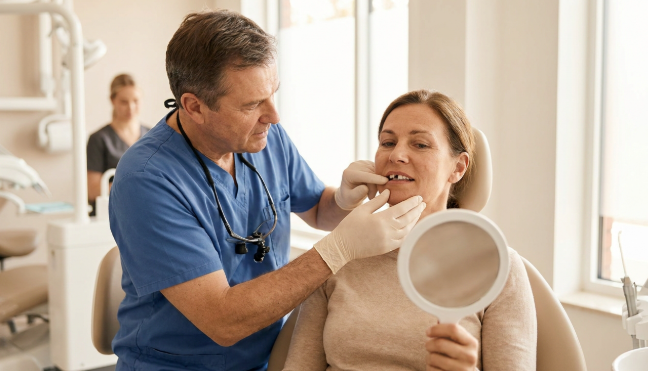
That is where professional smile makeover options stand apart from DIY methods. A cosmetic dentist can match treatment to your skin tone, lip line, existing teeth, and bite pattern. If one tooth is darker because of trauma, the answer may not be a stronger whitening gel. If the front teeth look short, the issue may be wear from grinding. If spacing bothers you, bonding may be enough and veneers may be too much.
DIY options are one size fits most. Your mouth is not.
A cosmetic dentist offers treatment that can be adjusted over time
Your smile changes. Fillings age, teeth shift, enamel wears, and color changes with diet, medication, and time. Good cosmetic dentistry accounts for that. It gives you a baseline, a record of what was done, and a way to maintain or adjust the work later.
That continuity matters more than people expect. If you whiten at home and end up with uneven color, a dentist can assess why. If bonding chips, a dentist can repair it in a way that preserves the tooth. DIY fixes usually end when the box is empty. Professional care continues after the procedure, which is a major advantage of choosing a cosmetic dental professional instead of treating your teeth like a weekend project.
DIY cosmetic options and professional cosmetic dentistry are not equal choices
| Factor | DIY Options | Cosmetic Dentist |
|---|---|---|
| Diagnosis | No clinical exam, underlying issues may be missed | Evaluates decay, enamel, gums, bite, and old dental work first |
| Materials | Generic products with limited customization | Dental grade materials chosen for your specific needs |
| Fit and comfort | Often one size fits most or self molded | Custom fit for comfort, appearance, and bite balance |
| Risk | Higher risk of sensitivity, gum irritation, uneven results, or damage | Lower risk through supervision, technique, and follow up care |
| Long term cost | Can lead to repair costs if results fail | Higher upfront cost, often better value over time |
Clear steps you can take before trying a DIY dental fix
1. Get the cause checked, not just the symptom. If you are bothered by color, shape, or a chipped edge, book an exam before buying a product. A five minute look in the mirror cannot tell you whether the issue is cosmetic, structural, or both.
2. Bring the product or screenshot to your appointment. If you already found a whitening kit, mail order tray, or repair product, show it to your dentist. You will get a straight answer about safety, likely results, and whether there is a better option in the same budget range.
3. Ask for a staged plan. You do not need to do everything at once. Many cosmetic concerns can be handled in steps, with the most urgent issue first and elective improvements later. That approach often feels more manageable financially and emotionally.
If your smile has been bothering you, you are not being vain and you are not overreacting. Teeth affect how you speak, eat, smile, and show up in photos and conversations. Choosing a professional over a shortcut is not about perfection. It is about protecting your teeth while getting a result you can trust. A cosmetic dentist can help you find the safest, smartest path to the look you want.