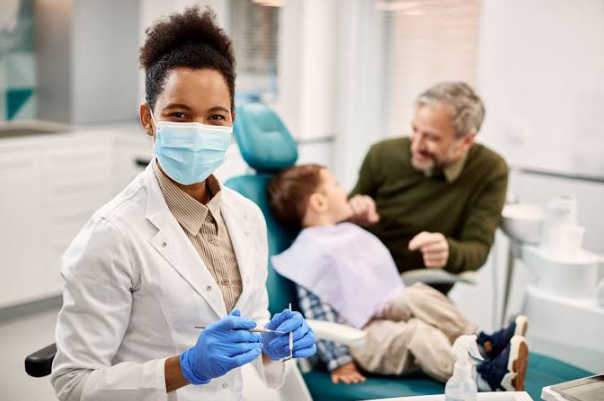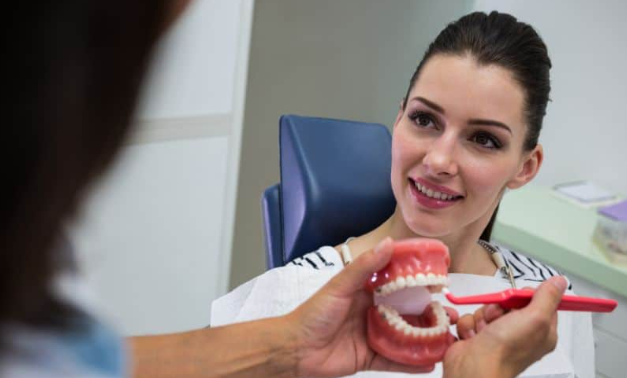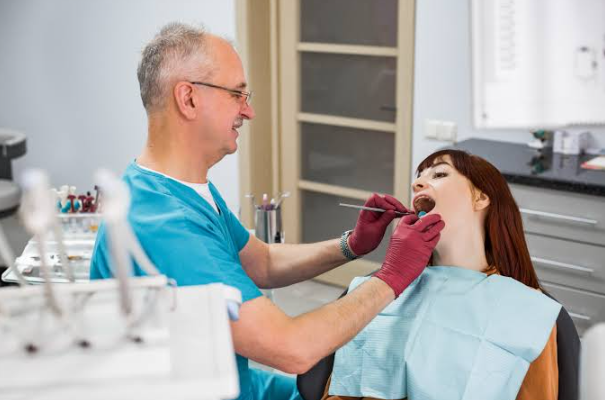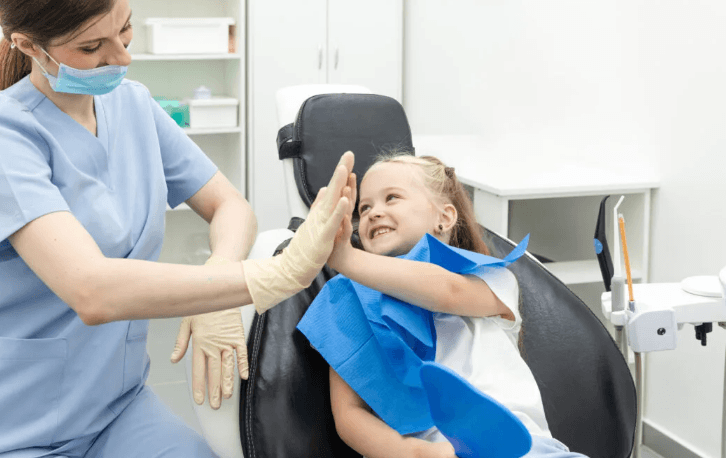
You already have enough to keep track of. School forms, sports, bedtime battles, snacks that somehow end up everywhere, and then one day you notice a loose tooth, a complaint about sensitivity, or a cavity at a routine visit. Childhood moves fast, and teeth change right along with it. What helps most is not chasing problems after they start. It is building the right care at the right stages, including personalized dental care for families in West Hills, so your child’s smile stays healthy as baby teeth come in, fall out, and make room for permanent ones.
A good family dentist looks at more than a single tooth. The goal is to support growth, catch small issues early, and make dental visits feel normal instead of stressful. Four services tend to matter most through the growing years. Regular exams and cleanings, fluoride treatments, dental sealants, and orthodontic monitoring each protect a different part of your child’s oral health.
Routine dental exams and cleanings catch small problems before they grow
Children do not always tell you when something feels off. A tooth can be wearing down, plaque can be building near the gumline, or a cavity can be starting between teeth with no pain yet. That is how families get blindsided. Everything seems fine until your child suddenly needs a filling, misses school for an appointment, or starts avoiding cold drinks because one spot hurts.
Routine exams and cleanings change that pattern. Cleanings remove plaque and tartar that brushing at home cannot fully handle, especially around molars and along the gumline. Exams give your dentist a chance to track how the bite is developing, whether baby teeth are falling out on time, and whether permanent teeth are coming in with enough space.
These visits also help children build comfort with the dental office. That matters more than many parents expect. A child who feels safe during simple visits is less likely to panic if treatment is ever needed later. The children’s dental care services that work best over time are often the ones that make prevention feel routine instead of scary.
Fluoride treatments strengthen enamel during cavity prone years
Enamel on children’s teeth needs support. Snacking, juice, sports drinks, dry mouth from mouth breathing, and still-learning brushing habits can all wear it down. You can be doing your best at home and still have weak spots form, especially on newly erupted permanent teeth.
Professional fluoride treatments help teeth resist decay by strengthening enamel. That extra protection can make a real difference during the years when brushing technique is still developing and food choices are not always ideal. The American Academy of Pediatric Dentistry supports the use of fluoride for caries prevention as part of an ongoing prevention plan.
Parents sometimes worry that one missed brushing streak or a candy-heavy holiday means they have failed. That is rarely the full story. Cavities usually come from a mix of habits, timing, tooth shape, and bacteria. Fluoride is one of the simplest ways a family dentist can lower the odds that those factors turn into actual damage.
Dental sealants protect back teeth where brushing often misses
Molars are hard for kids to clean well. They sit far back, they have deep grooves, and they trap food easily. Even children who brush twice a day can miss the pits and fissures where decay likes to start. That is why sealants matter.
Dental sealants are thin protective coatings placed on the chewing surfaces of back teeth. They block out food and bacteria from the spots most likely to develop cavities. The CDC explains that dental sealants can prevent many cavities in children, especially on permanent molars.
This service is quick, painless, and often far less costly than treating decay later. For many parents, sealants are one of those choices that feels almost too simple, then proves its value over the next few years when those molars stay healthy through school lunches, snacks, and rushed school mornings.
Orthodontic monitoring supports jaw growth and tooth alignment
Not every child needs braces, but every child benefits from having growth patterns watched. Teeth do not just need to be clean. They also need space to come in well, meet correctly, and support normal chewing and speech. Crowding, crossbites, overbites, and jaw shifts often show early signs before treatment is actually needed.
Orthodontic monitoring helps your dentist spot concerns while the mouth is still developing. That does not always lead straight to braces. Sometimes the best step is simply watching timing, guiding eruption, or referring at the right moment. Waiting until all the permanent teeth are in can mean fewer options and more complicated treatment later.
This is where pediatric dental services and general growth tracking overlap in a useful way. You are not just reacting to crooked teeth. You are giving your child a better chance at comfortable function, easier cleaning, and a bite that develops with fewer obstacles.
Preventive dental services often cost less and protect more
Home care matters every day, but some protection only happens in the dental chair. The combination usually works best.
| Service | What It Helps Prevent | Best Time to Use It | Why It Matters During Growth |
|---|---|---|---|
| Exams and cleanings | Plaque buildup, early cavities, gum irritation | On a regular schedule recommended by your dentist | Tracks tooth eruption, bite changes, and hidden problems early |
| Fluoride treatments | Enamel weakness and tooth decay | During cavity prone years and after permanent teeth erupt | Strengthens teeth while brushing skills and diet habits are still developing |
| Dental sealants | Cavities in molars | When permanent back teeth come in | Protects deep grooves that children often miss while brushing |
| Orthodontic monitoring | Crowding, bite problems, delayed guidance | Throughout mixed dentition and early teen years | Supports jaw growth and timely intervention when needed |
For daily support at home, the CDC also shares practical oral health tips for children that fit real family routines.
Small steps now make dental care easier later
Schedule care around growth milestones. When first molars erupt, ask about sealants. When permanent teeth start replacing baby teeth, ask whether spacing and bite look normal. Timing matters because many dental issues are easier to manage early.
Watch patterns, not one off moments. One skipped brushing session is not the problem. Repeated mouth breathing, frequent sugary drinks, grinding, crowding, or complaints about chewing are the signs worth mentioning to your dentist.
Make prevention part of normal life. Keep a simple brushing and flossing routine, use regular checkups as your reset point, and frame dental visits as standard care, not punishment after something goes wrong. Children usually follow the emotional tone you set.
Your child does not need a perfect mouth to have a healthy one. They need steady care, the right preventive services, and a dental team that pays attention as they grow. A trusted family dentist can help you stay ahead of cavities, protect new permanent teeth, and catch alignment issues before they become bigger problems. If your child is due for a visit, now is a good time to book one and keep their smile strong through every stage ahead.