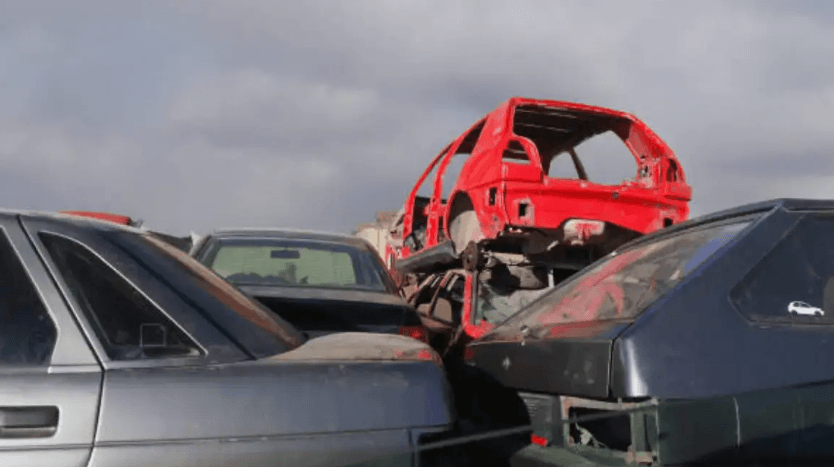
No title junk car buyers include licensed dismantlers, auto recyclers, salvage yards and specialist vehicle-removal companies, but they cannot buy every untitled car in every state. A legal sale depends on state rules, proof that you own the vehicle and the absence of an active lien.
Start with your motor-vehicle agency, then ask licensed buyers which substitute documents they accept. “No title needed” in an advertisement does not cancel the law.
Which buyers may take an untitled vehicle?
| Buyer type | May accept no title? | Typical condition |
| Licensed vehicle dismantler | In states with an applicable exception | Vehicle is destined for dismantling or destruction |
| Auto recycler or salvage yard | Sometimes | Seller provides approved proof of ownership |
| Junk-car removal company | Depends on its license and state | VIN clears and paperwork meets buyer policy |
| Ordinary scrap-metal collector | Often no | May lack authority to acquire a titled vehicle |
| Private buyer | Rarely a safe route | Normal ownership transfer usually requires title |
Use a directory such as RecycleFind to identify nearby recycling businesses, then verify each company’s vehicle-buying license and no-title policy by phone. Do not tow the car to a yard until someone has checked the year, VIN, titled state and documents you hold.
Proof of ownership still comes first
A title is the standard ownership record. If it was lost, the titled owner can usually request a duplicate. This route often produces more buyer choices and removes uncertainty from the sale.
Where an exception exists, a buyer may ask for several of these:
- Current or expired registration in the seller’s name
- Government-issued photo ID
- Bill of sale from the prior purchase
- Insurance or property-tax record tied to the VIN
- Lost-title or ownership affidavit
- Lien-release letter
- State junk-vehicle or dismantler form
Names and VINs must match. A bill of sale alone may not cure an ownership chain that was never transferred. If the registered owner is deceased, use the state’s estate process rather than signing for that person.
State exceptions are specific, not general
Rules can depend on vehicle age, value and buyer license. New York’s MV-35 procedure, for example, applies to qualifying vehicles worth $1,250 or less that are eight model years old or older and sold to a registered dismantler or scrap processor. Georgia has a different age-based process for certain older vehicles.
These examples show why a national yes-or-no answer fails. Check the official site for the state that issued the last title. Ask which form applies to a vehicle sold for parts or destruction, and whether the buyer must file a certificate of destruction.
An out-of-state registration, altered VIN plate or open lien can stop the transaction. No legitimate buyer should ask you to hide any of them.
Get a duplicate title when it improves the deal
Request the duplicate-title fee and processing time from the issuing agency. Then compare offers with and without it. A clear title can raise the price because the buyer carries less administrative risk and more purchasers can bid.
If a lender appears on the record, contact it for a lien release. Paying for a duplicate does not remove the lender’s legal interest. For a defunct lender, ask the state which successor records or affidavits it accepts.
Bonded titles can address some incomplete ownership histories, but inspection, bond and filing costs may exceed the return on a low-value car. They are not a shortcut for a vehicle that belongs to someone else.
How no-title car offers are built
Buyers consider curb weight, steel and aluminium prices, reusable parts, demand for the model, towing distance and paperwork risk. An intact catalytic converter, engine, transmission and alloy wheels can add more than base metal value.
Give every buyer the same information:
- Year, make, model and VIN
- Location and access for a tow truck
- Whether the car rolls, steers and has keys
- Missing parts and major damage
- Exact ownership records available
- Lien status
Ask whether towing and document fees are included. Compare the amount handed to you after all deductions. A high telephone quote that excludes towing is not higher.
Screen the buyer before pickup
Confirm the legal business name, address, license and recent customer history. Ask who will arrive and what receipt they issue. The tow driver should not change completed paperwork or ask you to sign blank fields.
Red flags include:
- No request for identification or ownership evidence
- A request to remove, cover or change the VIN
- Cash offered for a car with a known active lien
- Pressure to state a false price or owner name
- Refusal to provide a written offer and receipt
- Instructions to report the title lost after collection
Photograph the vehicle, VIN, odometer and tow truck at handover. Remove toll tags, personal property and plates as required by your state.
Close the record after the car leaves
Keep the signed bill of sale, receipt and copies of the buyer’s forms. File the state’s notice of sale or release of liability promptly. Return or transfer plates if required, and cancel insurance only after completing the official transfer steps.
The receipt should identify both parties, the VIN, date, price, vehicle condition and document used in place of a title. It should also say that the vehicle was acquired for dismantling or destruction when that is the legal basis for the exception.